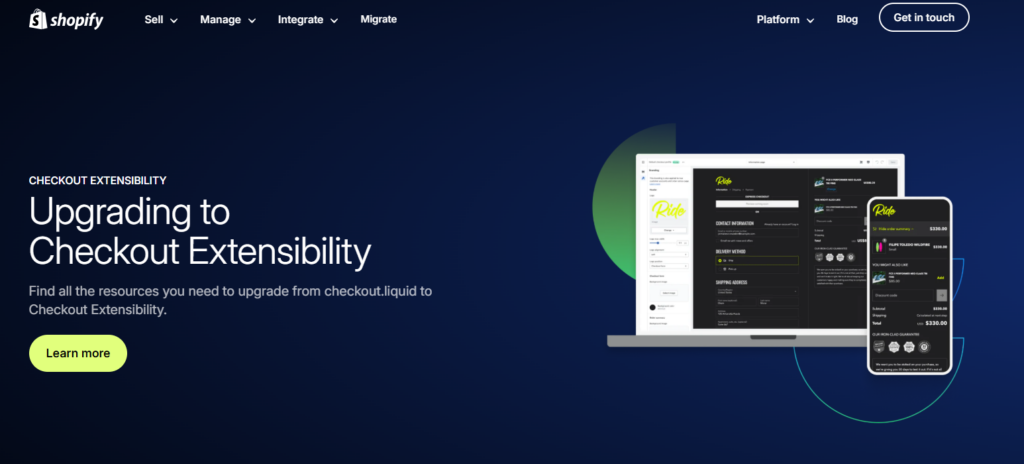
Currently, Shopify prevents the traditional method of tracking, which had been standard for stores using Shopify Plus—specifically, adding scripts directly to the page code via checkout.liquid. This approach now requires a different method due to the introduction of the so-called Web Pixel API, a new tool essential for the effective monitoring of traffic and events on store pages. These changes are part of a broader checkout update aimed at modernizing and enhancing the security of the purchasing processes. However, at the same time those affected the performance of many businesses.
New Shopify Standards
The changes in Shopify include a schedule for updating various stages of the checkout process. By August 13, 2024, store owners needed to update their information, shipping, and payment pages and by August 28, 2025, the thank-you and order status pages. The goal of these updates is to speed up and secure the purchasing process by eliminating reliance on external scripts implemented as part of the Shopify Plus package.
Consequences for Tracking
However, the introduction of so-called Checkout Extensibility has brought significant consequences for tracking capabilities. Stores lost the ability to embed popular tools like Google Tag Manager or Google Analytics directly into their page code, leading to confusion and operational problems. This sudden change halted the tracking of checkout steps and purchases, significantly impacting ongoing marketing campaigns.
Available Solutions
To continue tracking traffic and events, store owners can now use several methods:
- Native Shopify Plugins: Easy to implement but limited to tracking only seven types of events with no customization options:
- page_view
- search
- view_item
- add_to_cart
- begin_checkout
- add_payment_info
- purchase
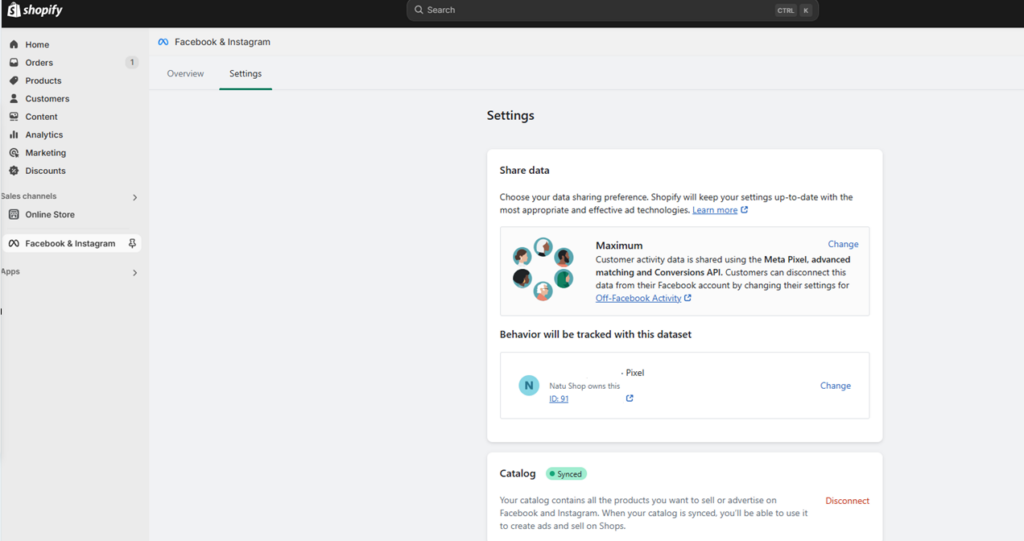
- Paid Solutions: Platforms like Elevar offer more advanced tracking tools but come with additional costs and require specialized implementation.
- Independent Implementation of Web Pixel API: Although it requires advanced knowledge and intricate debugging, this method allows for significant customization and expansion of the tracked events. However, this approach is more difficult and time-consuming.
Web Pixel API
The Web Pixel API, operating as a sandbox outside the browser window, offers enormous customization possibilities for tracking. It supports over 15 standard events and numerous parameters, including selling plans, cart ID, customer ID, and product data. This capability enables tracking features that were not feasible in the previous approach without developer support, such as distinguishing between subscription orders and one-time purchases and passing such information to GA4 or marketing pixels.
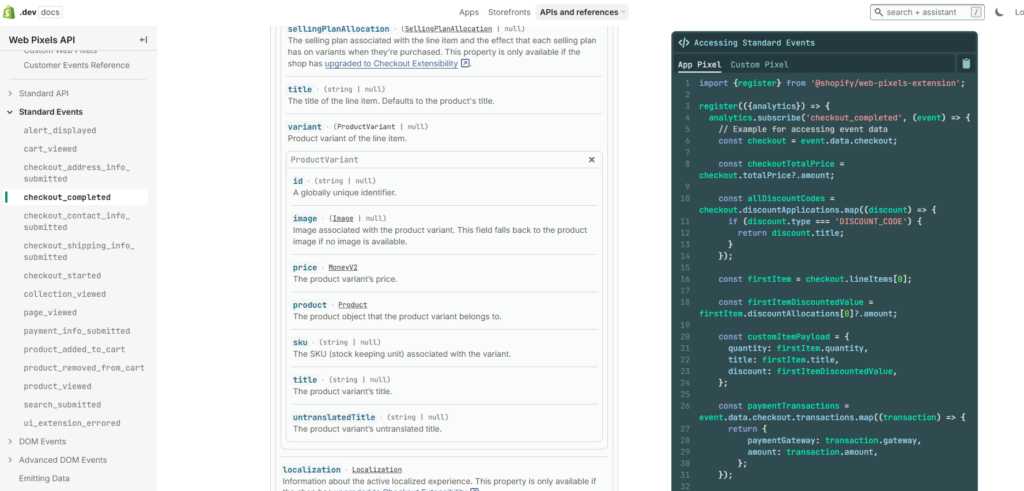
On the other hand, it requires knowledge of how Shopify and tracking work, as the sandbox is not debuggable by standard tools like the Google Tag Manager debugger or marketing platform helpers (e.g., Meta Helper). If properly implemented, the Web Pixel API can be visualized in the developer’s console.
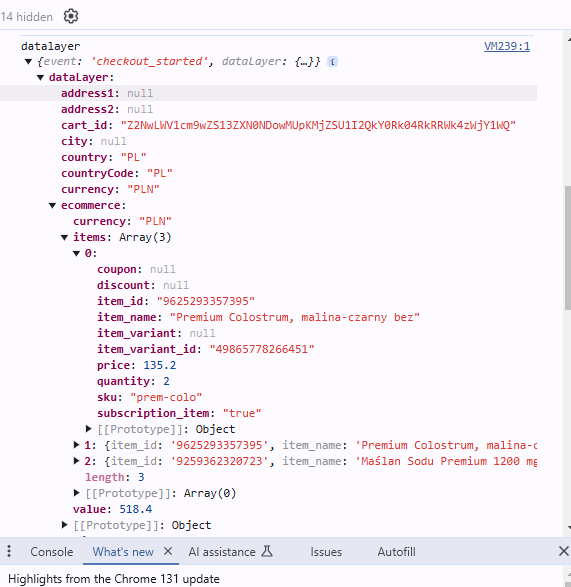
Moreover, it requires some technical skills to create code that subscribes to and pulls data from the API.
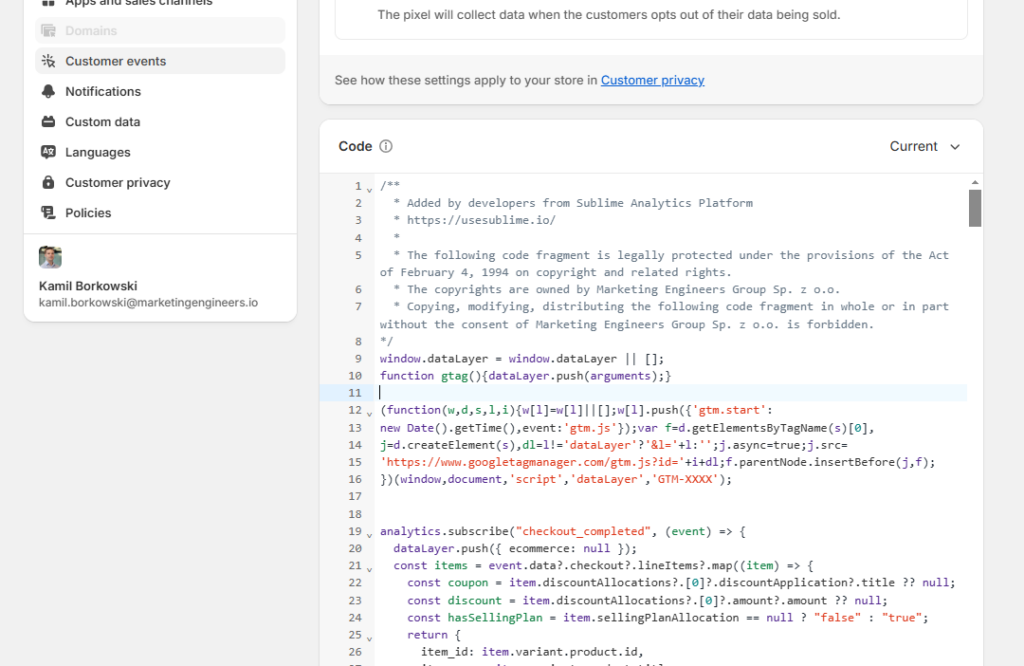
Sublime & Shopify
We have transitioned all of our Shopify clients to manual Web Pixel API implementation. By doing so, we were able to adjust their tracking to meet their needs and utilize the full capabilities of their business. Moreover, using Shopify & Sublime, we were able to significantly reduce untracked orders and enhance attribution.
Due to various reasons, even properly configured GA4 does not track 15-25% of orders. For businesses with a subscription model, this can be as high as 40-50%, depending on the subscription renewal rate.
By implementing the Web Pixel API and passing context identifiers and parameters, we were able to reduce the untracked order rate from 30% in GA4 to just 2.5%. In another case, a similar approach brought untracked events down from 43% to just 7%! Reducing these gaps allows for more accurate attribution, ensures data reliability, and empowers teams to make informed decisions.
Results of Shopify Web Pixel API implementation on untracked orders in Sublime
Summary
The changes introduced by Shopify have significantly impacted e-commerce, forcing store owners to adapt to new tracking methods. While these changes pose challenges, they also open up new possibilities for more advanced and secure data analysis solutions. The choice of the right tool depends on the specific business needs and the resources that can be allocated for its implementation.
When GA4 misses 15–25% of your orders, every decision is a guess. Schedule your free demo today and learn how we fix Shopify tracking with Web Pixel API.