With the proliferation of digital platforms and services, user data has become a valuable commodity for businesses. However, this growing dependency on data collection has raised concerns about user privacy, leading to the development of various privacy regulations, such as the General Data Protection Regulation (GDPR) in the European Union. Consent Mode emerges as a privacy solution aimed at striking a balance between data-driven business models and user privacy. Each e-commerce and DTC (Direct-to-Consumer) business should be aware of the importance and consequences of implementing consent mode for its business.
Consent Mode vs Consent Management
Consent Mode is a technical framework that allows websites and applications to obtain user consent for various data processing activities, such as tracking, analytics, and personalized advertising. It aims to empower users by providing granular control over their data and preferences.
Consent Management refers to the process and tools used by organizations to collect, manage, and track user consent for data processing activities. It involves obtaining explicit consent from users before processing their personal data and providing mechanisms for users to manage their consent preferences. Consent Management Platforms (CMPs) are often used to facilitate this process. CMPs typically offer features such as consent banners, preference centers, granular consent options, and consent logs. They enable website owners to implement and manage consent mechanisms in compliance with privacy regulations.
Consent Mode importance in E-commerce and DTC
Consent mode is crucial in e-commerce and Direct-To-Consumer (DTC) businesses for several reasons:
- Trust and Transparency: By clearly asking for consent before collecting or processing a customer’s personal data, companies show respect for their privacy and foster a relationship of trust. This transparency can enhance customer loyalty and positively impact the company’s reputation.
- Legal Compliance: Various data protection laws around the world, such as GDPR in the European Union and CCPA in California, require businesses to obtain explicit consent before collecting or processing personal data. Non-compliance can result in significant fines and legal ramifications.
- Personalization: With proper consent, companies can collect data to provide a personalized customer experience, a critical aspect of successful e-commerce and DTC businesses. Personalized experiences, such as product recommendations or tailored marketing, can enhance customer engagement and lead to increased sales.
- Marketing Consent: Many marketing activities, like email campaigns or targeted advertising, require explicit consent. Consent mode allows businesses to obtain this permission in a clear and lawful manner, thus enabling them to reach customers effectively while respecting their privacy.
- Data Accuracy: When customers give consent, they are more likely to provide accurate data. This improves the quality of the data that companies collect, leading to better business decisions and strategies.
- Consumer Control and Privacy: Consent mode empowers consumers by giving them control over their personal data. They have the right to decide whether or not they want their data to be collected and used, and they can change their mind at any time. This respect for customer control and privacy is not only legally required, but also ethically sound, and it aligns with the growing societal expectations of data privacy.
Consent types
In the context of data privacy, especially concerning online interactions and e-commerce, different types of consent may apply:
- Explicit Consent: This form of consent is clear, direct, and unmistakable. It requires a clear affirmative action by the data subject, indicating their agreement to data processing. This could be through filling a form, ticking a box, or verbally confirming consent.
- Implied Consent: This kind of consent is deduced from a person’s actions or inaction. For instance, if a user continues to use a website after seeing a cookie banner, their consent might be inferred.
- Opt-In Consent: This is when a user explicitly agrees to the data collection or processing, often by ticking a box or clicking a button. An example is subscribing to an email newsletter.
- Opt-Out Consent: This is when the default is data collection or processing, and the user must take explicit steps to opt out if they do not consent. While convenient for businesses, this form of consent can be problematic if users aren’t aware of how their data is being used or how to opt out.
Cookies types
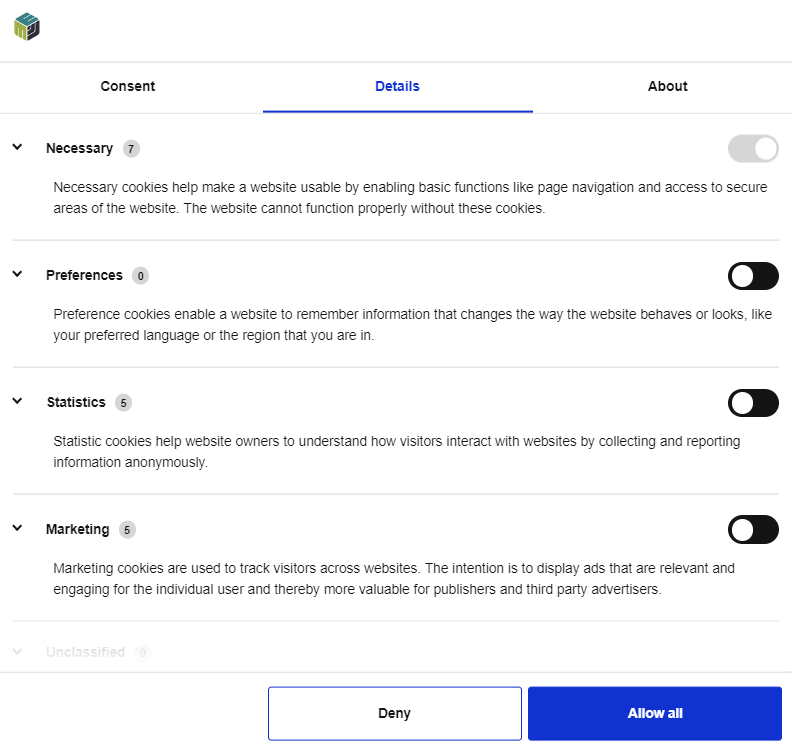
Under a consent mode framework, various types of cookies require different handling:
- Necessary Cookies: These are essential for the operation of a website. They include cookies that allow for page navigation and access to secure areas of the site. Because these cookies are strictly necessary, consent is not required for them.
- Preference Cookies: These cookies allow a website to remember a user’s preferences in terms of the website’s appearance or functionality, such as their preferred language or region. These are not strictly necessary but can improve the user experience.
- Statistic Cookies: Also known as performance cookies, these track how users interact with a website. This includes information like which pages a user visits most often and if they receive error messages. These cookies are used to improve how a website works. They don’t collect data that identifies a user, and the data is generally aggregated and anonymized.
- Marketing Cookies: These are used to track users across websites and deliver advertisements that are more relevant to their personal interests. This is sometimes called “behavioral advertising”.

In the next article, we will share some practical information on how to best implement consent mode in e-commerce and DTC business to minimize impact on your business. Book your free demo today and learn how Sublime ensures compliance without compromising performance.